Small Robots, Big Questions Beneath the Coast
A new fleet of autonomous underwater vehicles is helping researchers see how coastal ecosystems change in real time.
Dr. Sarah Kim
Associate Professor of Mechanical Engineering

Observing a dynamic environment
Coastal waters are difficult to study with fixed sensors alone. Tides, storms, temperature, and runoff can transform local conditions before a research vessel reaches the site.
Summit's new autonomous vehicles travel in coordinated groups, collecting information about oxygen, salinity, temperature, and microscopic life with far greater spatial detail.
“The coast changes by the hour. Our instruments need to be just as responsive.”
Engineering for the real world
Undergraduate engineering teams helped design modular sensor housings that can be repaired in the field. Computer science students developed routing software that adapts when currents push a vehicle off course.
The work requires careful tradeoffs among battery life, communication range, data quality, and the need to avoid disturbing wildlife.
Open data for coastal communities
The team shares its observations with local fishers, conservation groups, and municipal planners through a plain-language dashboard.
Over time, those records may help communities anticipate harmful algal blooms, improve habitat restoration, and make more informed decisions about coastal development.
Continue reading
More from Summit
From Carbon Neutral to Climate Positive
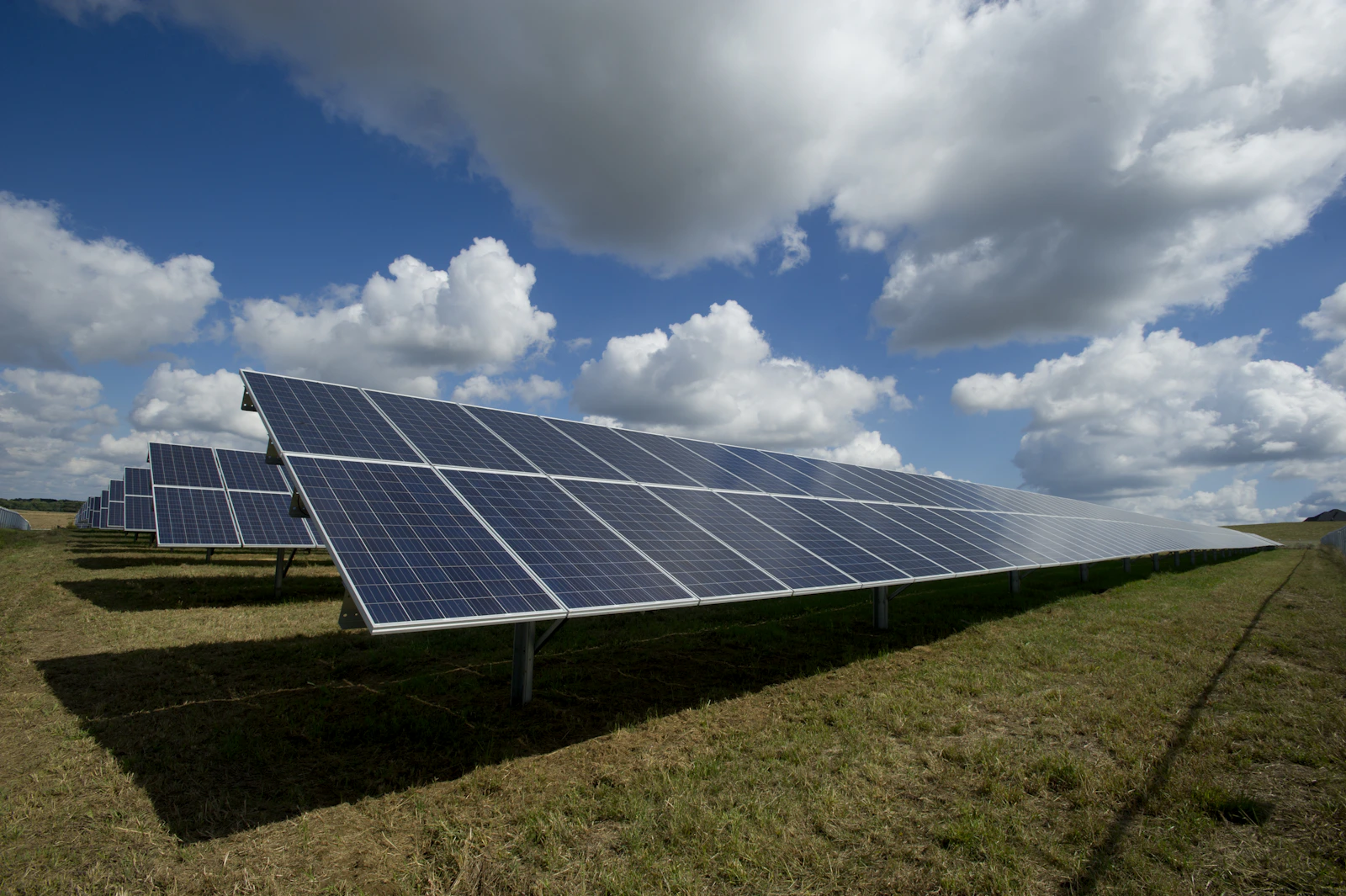
A living-lab initiative is turning campus buildings, transit, and green space into a model for measurable climate action.

Teaching AI Without Losing the Human Question
Faculty across computing, philosophy, writing, and medicine are building a shared framework for responsible AI learning.

Belonging From Day One: The First-Generation Network
Peer mentors and alumni are making the unwritten rules of college visible, practical, and easier to navigate.